

Summer hydration and your kidneys: what the research really says

Summer in Georgia means heat, and heat means your kidneys work a little harder. Here is a calm, honest look at what hydration can and cannot do for them.
Welcome to the very first issue of Kidney Health Monthly, a short, timely companion to our patient-education library. Each month we pick one topic that fits the season and look at what the research actually says. This July, with Georgia summers in full swing, we are starting with a question we hear all the time: how much does hydration really matter for my kidneys?
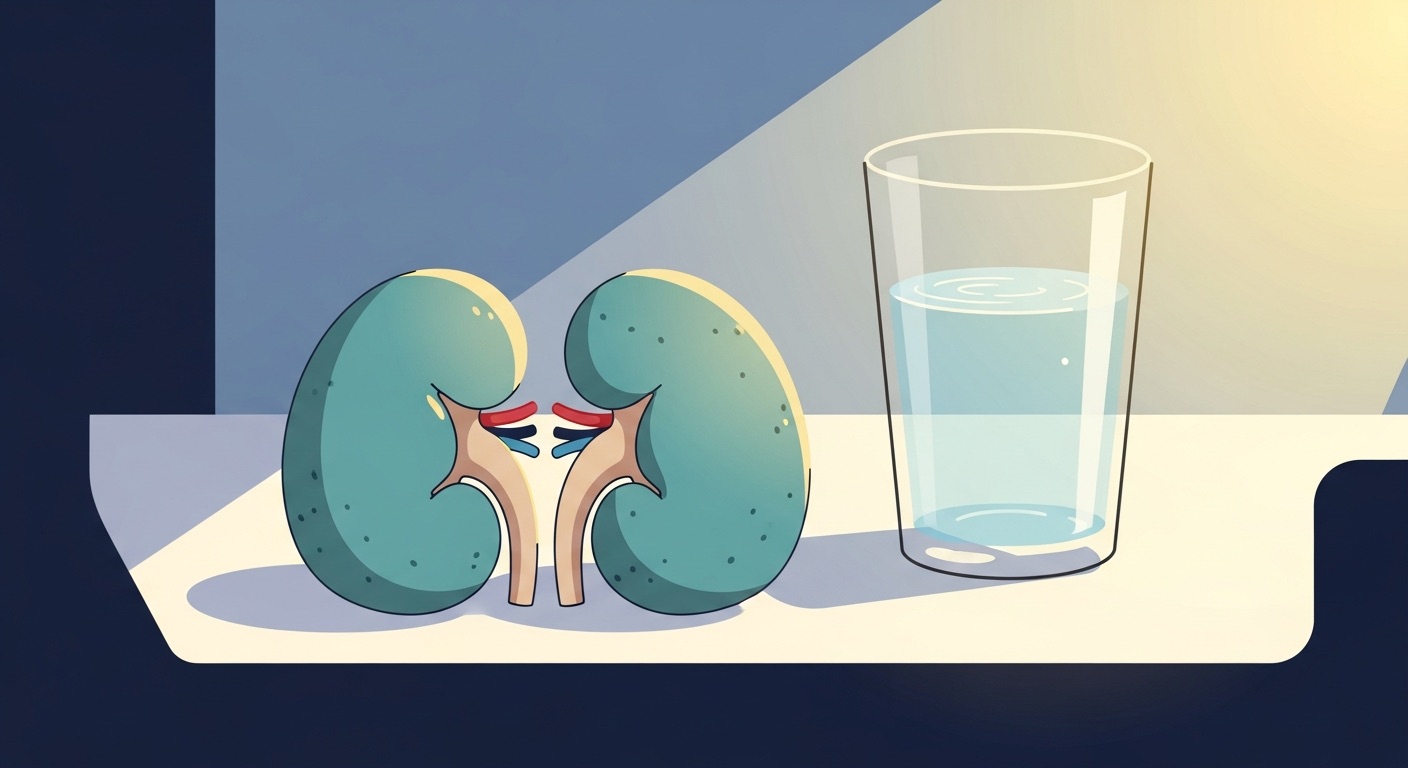
Why summer asks more of your kidneys
Your kidneys manage your body’s balance of salt and water. When you sweat on a hot day you lose fluid, and your kidneys respond by holding onto water and concentrating your urine. That part is normal and healthy. The trouble starts when fluid losses outpace what you take in. That is dehydration, and it makes your kidneys work in a tougher environment.
Researchers have looked at what happens across whole populations when the weather turns hot. One large study of more than a million emergency-department visits in New York found that periods of extreme heat were linked to a modestly higher risk of ED visits for kidney problems, including acute kidney injury, kidney stones, and urinary tract infections, with the effect lasting up to a week after the hot spell. A separate New York analysis found that the risk of dehydration and acute kidney failure climbed measurably for each degree of temperature rise on hot days. The increases in these studies were real but modest. They are not a reason to panic, but they are a good reason to be heat-smart.
Who needs to be most careful
- People who work or exercise outdoors. Repeated bouts of heavy heat exposure and dehydration are a recognized strain on the kidneys. In fact, an unusual form of chronic kidney disease has been described among agricultural and other outdoor workers in hot climates, where heat stress and recurrent dehydration are among the suspected contributors. If your job keeps you in the Georgia sun, hydration and rest breaks matter.
- Older adults, who feel thirst less reliably and can dehydrate before they notice.
- Anyone already living with kidney disease, diabetes, or heart disease.
What hydration can and cannot do
Here is where we want to be straight with you, because the internet often is not.
For preventing kidney stones, fluids clearly help. Summer is peak stone season. When it is hot, people sweat more, urine gets concentrated, and stones form more easily. A classic 5-year randomized trial followed people after their first calcium stone. Those coached to drink enough water to keep their urine volume up had about half the recurrence rate of those who did not (roughly 12% versus 27%), and their stones took longer to come back. If you have had a kidney stone, staying ahead of dehydration in summer is one of the simplest things you can do.
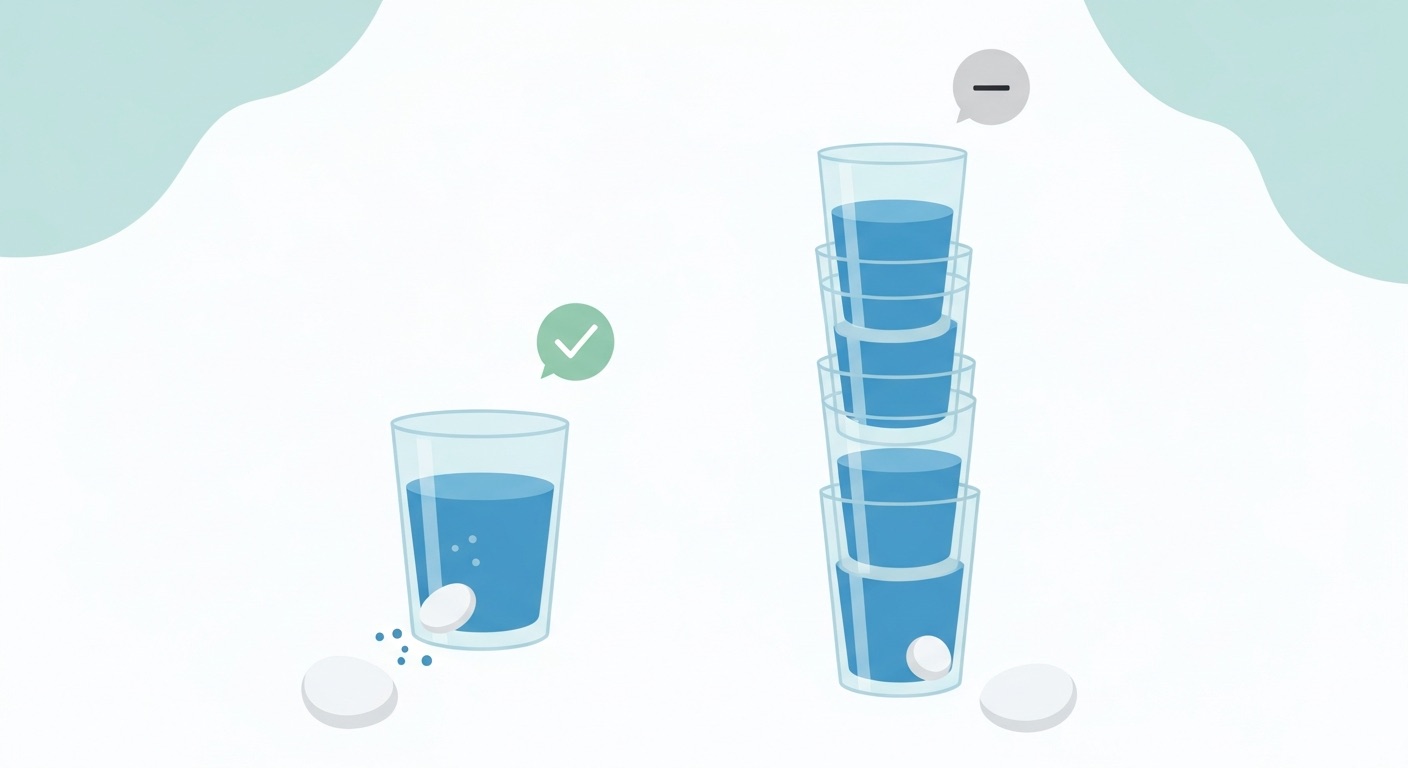
For slowing chronic kidney disease, “drink more” is not a proven treatment. This one surprises people. A well-run randomized trial (the CKD WIT trial) coached one group of adults with chronic kidney disease to drink noticeably more water and compared them with a group who kept their usual intake over a year. The extra water did not slow the decline in kidney function. So while staying adequately hydrated is sensible, forcing down large amounts of extra water has not been shown to protect failing kidneys, and for some people it can actually cause harm.
A reasonable target for most people
For most healthy adults, the old advice still holds up well: drink to your thirst, and aim for pale-yellow urine. Dark, strong-smelling urine is a nudge to drink more. You do not need to count ounces or chase a magic number.
The medication and fluid-restriction cautions
Two honest cautions we never want patients to miss:
- Some medicines raise your dehydration risk in the heat. Water pills (diuretics), certain blood-pressure medicines, the newer diabetes and kidney drugs known as SGLT2 inhibitors, and anti-inflammatory painkillers (NSAIDs like ibuprofen) can each make dehydration harder on the kidneys during a hot stretch. This does not mean stop your medicine. Stopping the wrong drug can be more dangerous than the heat. Instead, ask your KHC nephrologist about a personal “sick-day” or hot-weather plan. When, if ever, to adjust anything is a decision you make together.
- If you are on a fluid restriction, do not just drink more. Patients with advanced kidney disease, people on dialysis, and many people with heart failure are often told to limit fluids. For them, extra summer water can cause dangerous fluid overload. If you have a personal fluid plan, follow it, and call us if the heat is making it hard to manage.
Know the warning signs of dehydration
Call us or seek care if you notice:
- Very little urine, or dark urine, over a day
- Dizziness, confusion, or a racing heart when standing
- Muscle cramps, severe fatigue, or no sweat despite the heat
- For stone-formers, sudden flank or side pain
From our physicians
We wanted the first issue of Kidney Health Monthly to set the tone for everything that follows. We will tell you what the evidence shows, we will hedge honestly where it is uncertain, and we will not oversell. Hydration is a perfect example. We genuinely want our patients to stay ahead of the heat this summer, so sip steadily, do not wait until you are parched, and respect the Georgia sun if you work or exercise in it. At the same time, we will not tell you that gallons of water will rescue a kidney, because the best randomized evidence does not support that. And for our patients on fluid restriction, or on medicines that the heat can complicate, the safest move is not a blanket rule from an article. It is a quick conversation with your kidney doctor about a plan that fits you. That is the whole point of this newsletter: research you can trust, written in plain language.
Patient resources
- Heat and medication questions: bring your current medication list to your next visit and ask whether any need a hot-weather plan. Never stop a medication on your own.
- Stone-formers: ask your KHC team for a simple hydration target and whether a 24-hour urine test makes sense for you.
- Living with CKD or on dialysis: review your personal fluid goal with your care team before summer travel or activity.
- Explore related reading below, including what causes swollen ankles and the stages of kidney disease.
Let’s make a plan together
Not sure how much you should be drinking this summer, or whether your medicines change the picture? That is exactly the kind of question your KHC nephrologist can answer for your situation. Book an appointment and we will sort it out together.
This article is for general education and is not a substitute for personalized medical advice. Talk with your doctor or nephrologist about your specific situation.
Sources
- Clark WF, et al. Effect of Coaching to Increase Water Intake on Kidney Function Decline in CKD: The CKD WIT Randomized Clinical Trial. JAMA. 2018.
- Borghi L, et al. Urinary volume, water and recurrences in idiopathic calcium nephrolithiasis: a 5-year randomized prospective study. J Urol. 1996.
- Qu Y, et al. Associations Between Ambient Extreme Heat Exposure and Emergency Department Visits Related to Kidney Disease. Am J Kidney Dis. 2022.
- Adeyeye TE, et al. Estimating policy-relevant health effects of ambient heat exposures using spatially contiguous reanalysis data. Environ Health. 2019.
- Sinha S, et al. An analytical observational study on chronic kidney disease of unknown etiology at a rural tertiary care hospital. Indian J Public Health. 2023.